
from farm
to table
Our Provenance.

How?
-
✽
UK-First Sourcing
We prioritise British producers — from Scottish rope-grown mussels to grass-fed lamb — keeping our supply chain close and our impact low.
-
✽
Sea as Our Primary Direction
Our menus lead with sustainable UK seafood: hake, gurnard, pollock, and shellfish chosen for their low environmental footprint.
-
✽
Supplier Transparency
Every supplier we work with is assessed on environmental standards, ethical labour practices, and traceability before they reach our kitchen.
-
✽
Whole Animal, No Waste
We use heritage and rare-breed British pork, grass-fed lamb, and wild venison — with a full-animal approach that honours every cut.
-
✽
Wild & Creel-Caught
Where possible, we source creel-caught langoustines and line-caught fish — methods that protect seabeds and reduce bycatch.
-
✽
Seasonal & Purposeful
Our menus shift with the seasons. We work with what the British landscape gives us — nothing forced, nothing flown in unnecessarily.


Tamoa is our heritage supplier in Mexico, working directly with indigenous farming communities to grow and preserve native varieties of corn, beans and chiles. These are ingredients at risk of disappearing. By sourcing from Tamoa, we are not just buying produce — we are keeping a living food culture alive.
our suppliers
"The less impact, the better. We do not order from catalogues. We build relationships." Adriana Cavita
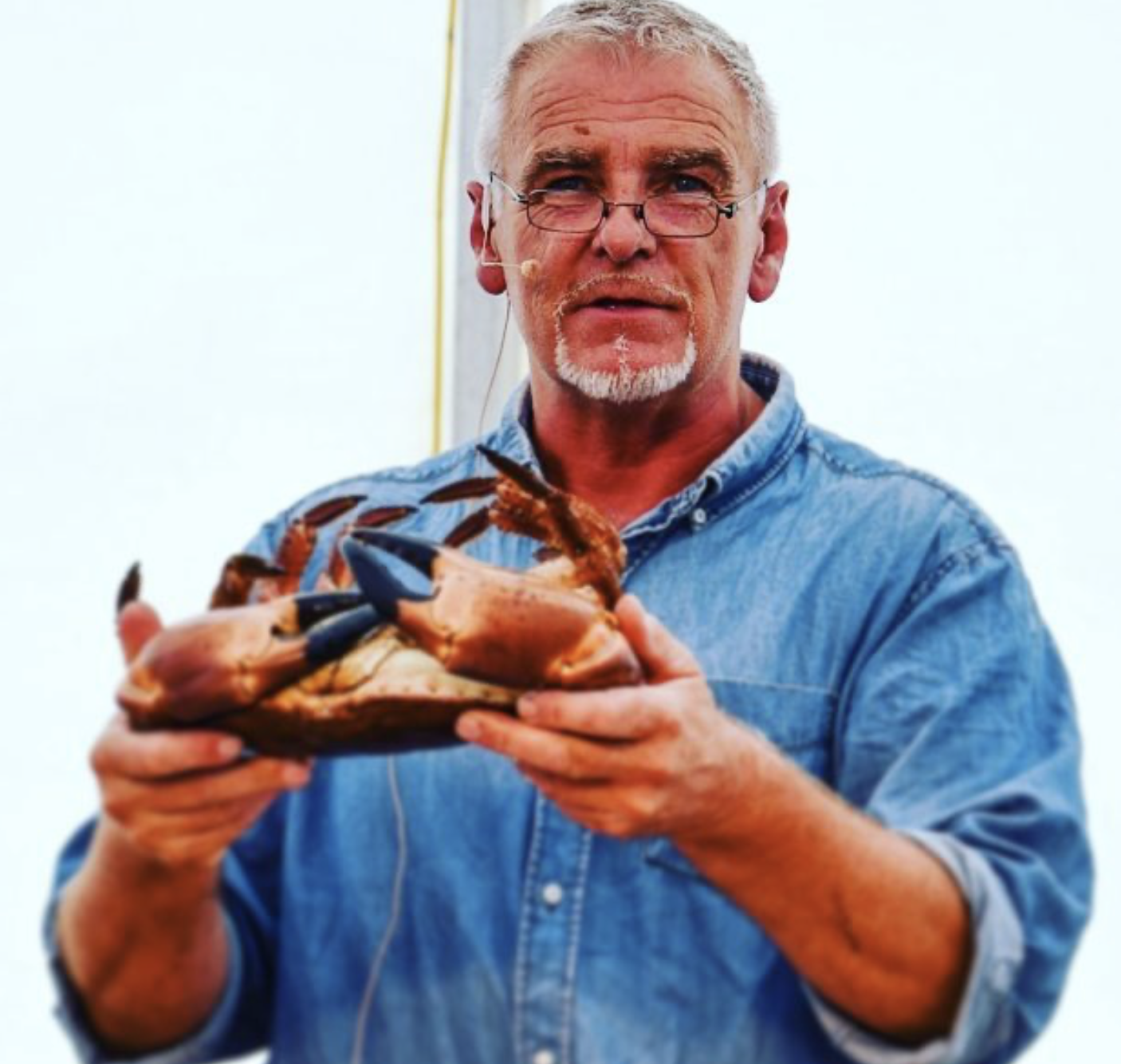
R.w. Henderson, UK
Our fish comes from R W Henderson, a family-run seafood merchant based on Aberdeen's South Esplanade, run by husband-and-wife team Craig and Julie Henderson. Four decades in the trade have given them an instinct for the North Sea's rhythms — what's running, what's in season, and which boats land it best. Every crab we serve is chosen for its quality and handled the way it should be: caught, landed and delivered fresh, with sustainability built into every step. It's a short, honest supply chain — from a small Scottish harbour to our kitchen — and it's exactly the kind of provenance we want behind every plate at Cavita.

Smith & Brocks, UK
Smith and Brock is one of London’s largest independent fresh produce, dairy, dry, frozen and fine foods wholesalers, supplying some of the best addresses in London.Having worked in the industry from a young age, Joe and Nick grew frustrated with the setbacks of the industry, leading them to start Smith & Brock with a simple purpose and philosophy: to have the best people supply the best products with the best service at the right price to customers who value these attributes in a supplier.They have searched far and wide to ensure they work with the best; from Marché International de Rungis, growers from the coast of Italy, the mountains of Spain, and the Kent countryside, they work with growers who produce the best quality products and have a passion for what they do.In addition to sourcing the best produce out there, they also have a skilled team that offers freshly prep and production solutions to help take away the pressure on professional kitchens.

ELDER WATER, UK
Elder Water brings us British spring water drawn from a single source in Somerset, where it rises naturally through the land before it ever reaches a bottle. It arrives still and sparkling, clean and crisp, and it’s the water we pour at every table.
What makes Elder special is how it travels. Their model is fully circular: glass bottles are delivered to us, collected once empty, cleaned, refilled and returned. The same bottles come back again and again, with no single-use plastic at any stage.
Water is one of the first things we serve and one of the last things guests think about. That’s exactly why it matters. It’s the kind of supplier choice that is so simple it feels obvious, and it saves thousands of bottles from waste every year without anyone having to change a thing.
Great water, from British land, in a loop that never ends.

Aubrey Allen, UK
Aubrey Allen have been family butchers since 1933. They are based in Coventry and hold a Royal Warrant. Four generations on, they still work the way good butchers always have: they know their farmers, they know their herds, and they buy whole animals rather than boxes of selected cuts.
Because every animal comes from a specific, traceable herd, every cut that arrives at Cavita has a full provenance story behind it: where it was raised, how it was reared and who looked after it. Their dry-ageing chambers are among the finest in the country, and you can taste the time and care in every piece.
Buying whole animals also shapes how we cook. Mexican cooking has always honoured the whole animal, from slow-cooked shoulders to rich broths and braises. Working with Aubrey Allen lets us cook nose to tail, use every part with respect and waste as little as possible.
We chose them because they believe, as we do, that ethical rearing and exceptional flavour are not a compromise. They are the same thing.

FLOURISH PRODUCE, UK
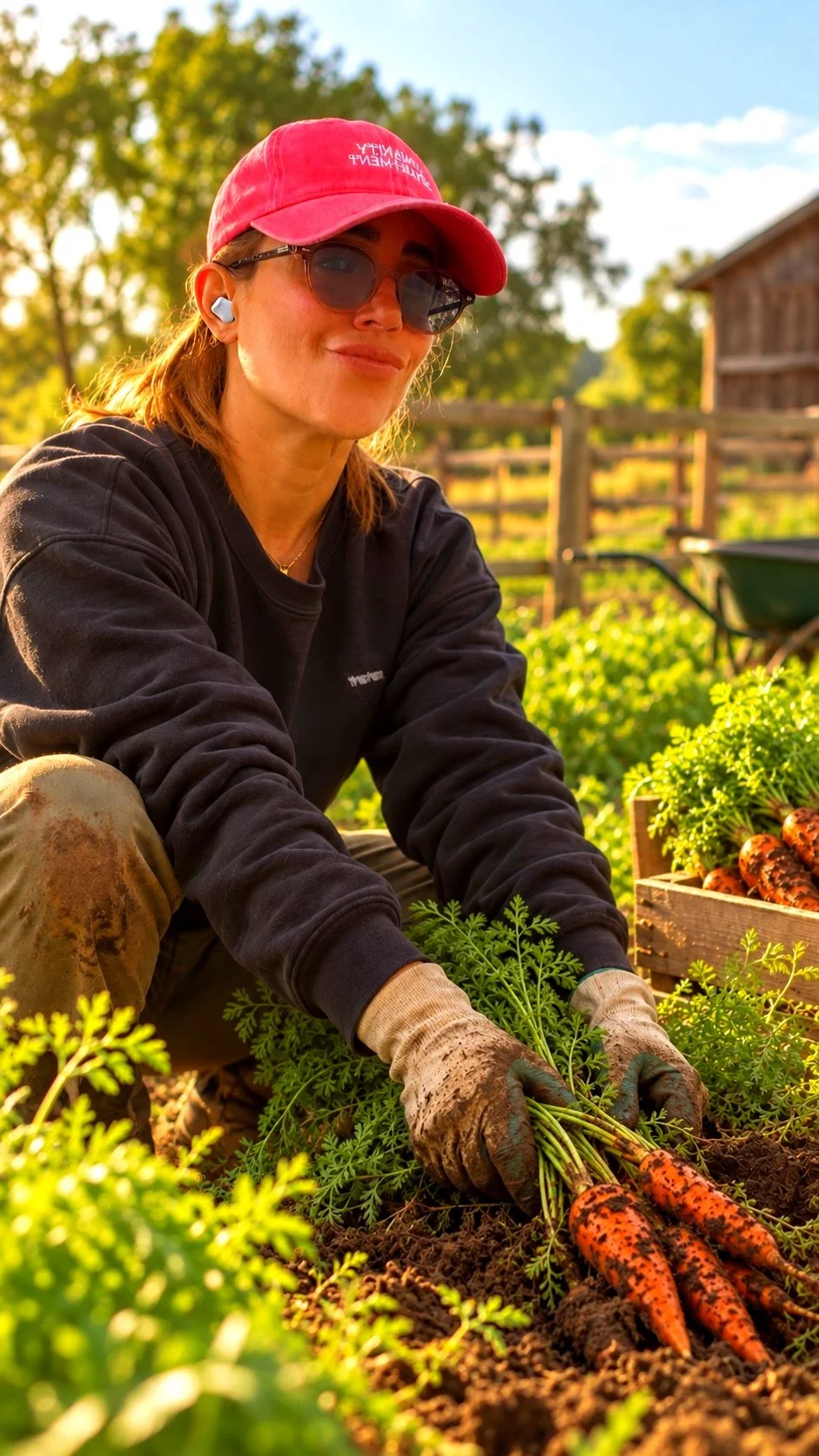
Flourish Produce are our UK growers for vegetables, herbs and fruit. They farm in a way that puts the soil first. That means building organic matter year after year, encouraging the insects, birds and plant life that keep a farm in balance, and growing with the seasons rather than against them.
Healthy soil grows food with more flavour, and you can taste it. What arrives in our kitchen changes week by week with what is ready in the fields, and our menu changes with it. When the squash is at its best, the squash leads. When the first herbs come in, they find their way onto the plate.
This way of farming echoes the Milpa, the ancient Mexican system at the heart of our cooking, where crops grow together, feed one another and give back to the land. Different soil, different country, the same idea: look after the land and it will look after you.
The result is ingredients with real flavour, grown in a way that gives back to the land instead of wearing it down.
Vegetables at the centre
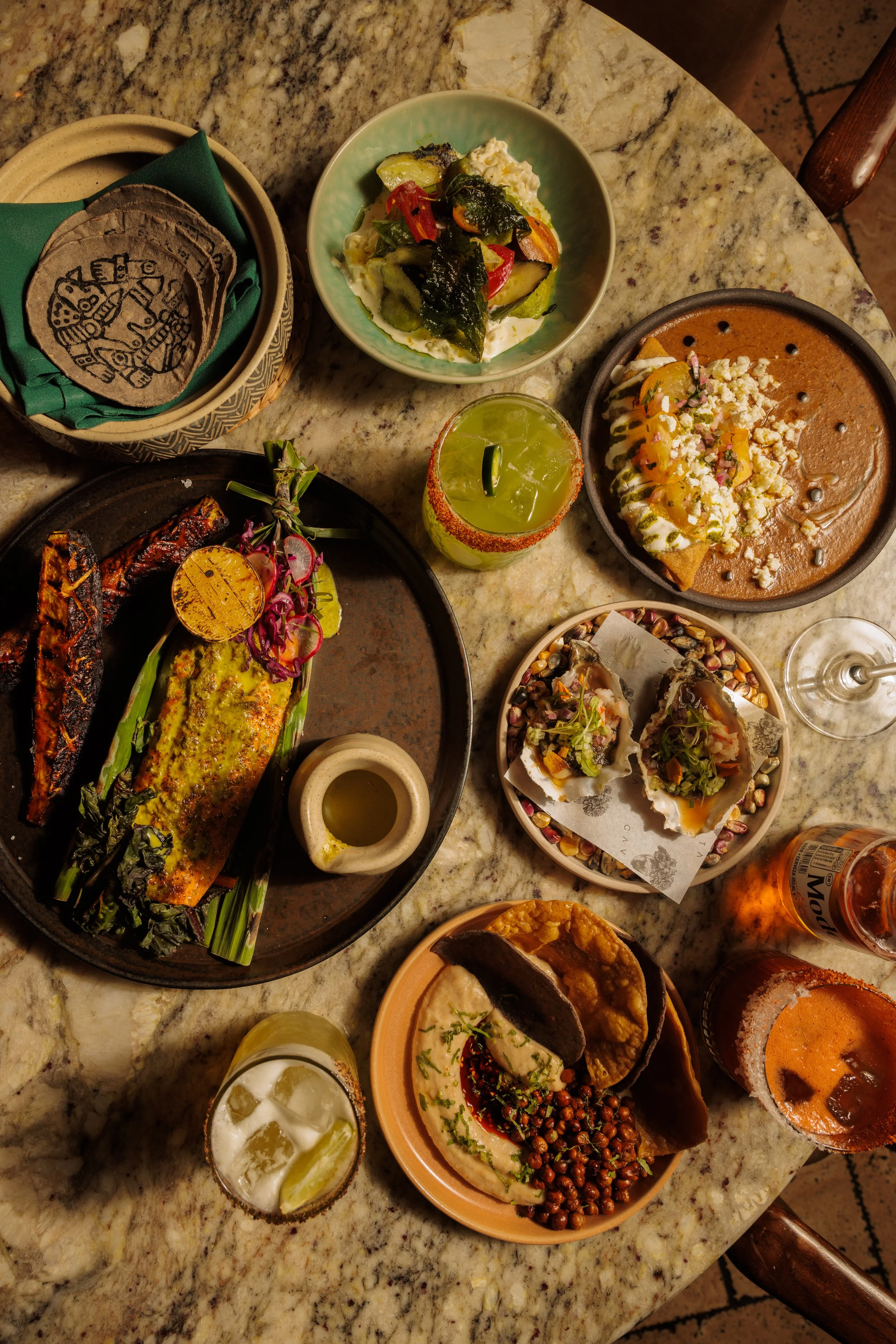
We don’t treat vegetables as garnish. Rooted in the Milpa, the ancient Mexican system of corn, beans, squash and chiles, our menu is built around them. They are cooked with fire, fermented, slow-roasted and given the space to shine. Eating more of them is one of the simplest, most delicious choices you can make for the planet.
Mexican cooking has always been built around plants. In the Milpa, the ancient growing system at the heart of our kitchen, corn, beans, squash, chiles and herbs grow together and feed one another. Meat was never the centre of the plate. It was a celebration.
We cook in that spirit. More of our menu is now led by vegetables, beans and heritage corn, and we use meat and fish with care: whole animals, seasonal UK seafood, smaller portions with more flavour.
Eating more plants is one of the simplest ways any of us can lower our impact on the planet. It also brings more variety and fibre to the table. You don’t need to give anything up. Try one more vegetable dish when you order, share a plate of beans or squash alongside your fish, or build a meal around our seasonal vegetables. Our team is always happy to guide you.
We are still measuring the footprint of our dishes and will share what we learn.
“Changing the way we eat is one of the simplest ways to protect the planet.”
— Ana Lucia Alonso, Director & Co - Founder
MSc Sustainable Agrifood Systems Management, EIIS
Frequently Asked Questions
about our sustainability journey
-
We work with a carefully selected group of suppliers who share our values — Pesky Fish for sustainable UK seafood, Aubrey Allen for traceable British meat, Flourish Produce for regenerative vegetables and herbs, Elder Water for circular spring water, and Tamoa in Mexico for heritage corn, beans and chiles.
-
Some ingredients — native corn varieties, heirloom chiles, heritage beans — are culturally essential to what we cook and cannot be replicated here. Many of these varieties are also at risk of extinction. Supporting the small Mexican farmers who grow them is as important to us as supporting a grower in Suffolk.
-
Regenerative farming goes beyond sustainability — it actively restores soil health, increases biodiversity and works with natural systems rather than against them. It means the land is in a better state after the harvest than before it.
-
We use a whole-animal and whole-plant approach — nothing is discarded if it has flavour. Our bar and kitchen collaborate so that trim, peels and offcuts become sauces, ferments and garnishes. Around 90% of our menu is gluten-free as standard, and we are continuously shifting towards more vegetable-led dishes.
-
We require our fish and seafood suppliers to meet MSC or ASC certification standards, and we assess every supplier against our own Sustainability Scoring System — covering environmental impact, ethical labour practices, traceability and delivery standards.